Lahu Ethnic Group
Introduction
The Lahu ethnic group is one of the recognized ethnic groups in China. Predominantly residing in the mountainous regions of Yunnan province, the Lahu people are known for their rich cultural heritage and vibrant traditions. With a population that extends beyond China into neighboring countries such as Myanmar, Thailand, Vietnam and Laos, the Lahu community has a distinct identity marked by their language, customs, and social practices. They are traditionally an agrarian society, with rice cultivation and hunting forming the backbone of their economy. In recent years, there have been efforts to revitalize and promote Lahu culture, particularly through tourism and cultural preservation projects.
History
Though several theories exist, the origins of the Lahu people are believed to trace back to the ancient tribes that inhabited the Qinghai-Tibet Plateau. Over centuries, they migrated southwards, settling in the mountainous areas of Yunnan province and the surrounding regions. Historical accounts and oral traditions suggest that the migration was driven by the search for fertile land and favorable climates. The Lahu people have a strong oral tradition that has preserved much of their early history, recounting tales of migration and settlement that have been passed down through generations.
Culture
Language
The Lahu language is an essential component of the Lahu cultural identity and is spoken by the majority of the Lahu people. The language is further divided into several dialects, with variations observed across different regions. Efforts have been made to document and preserve the Lahu language, recognizing its importance in maintaining the cultural heritage of the community. In recent years, educational initiatives have been introduced to teach the language in schools and promote its usage among younger generations.
Traditional Clothing
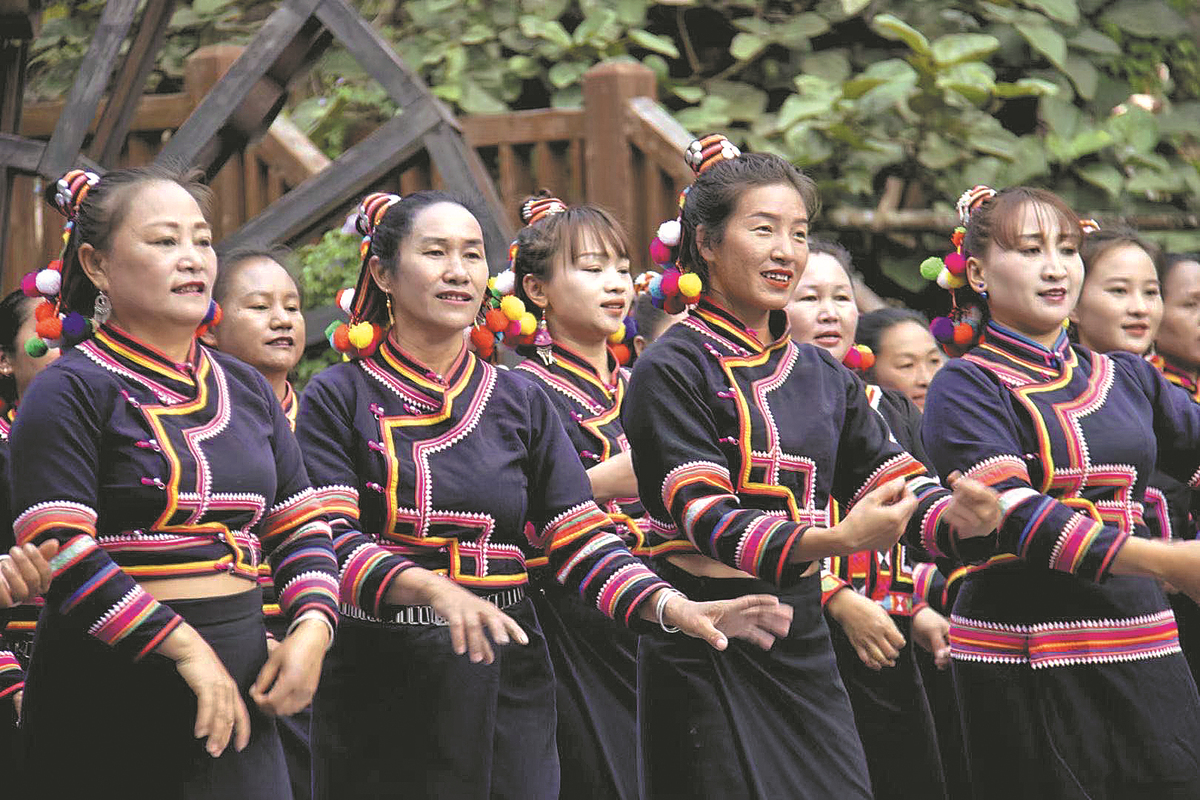
Traditional Lahu clothing is distinctive and vibrant, characterized by its use of bright colors and intricate patterns. Typical attire includes garments made from hand-woven fabrics, often adorned with embroidered designs. Women traditionally wear long skirts and blouses, while men wear tunics and trousers. The clothing is a reflection of the Lahu's connection to their cultural roots and is often worn during festivals and other cultural celebrations. These traditional garments are not only a source of cultural pride but also an important aspect of preserving Lahu identity in the face of modernization.
Festivals and Celebrations
Festivals and celebrations hold a significant place in the cultural life of the Lahu people. The New Rice Festival is one of the most important events in the Lahu calendar, marking rice harvest and serving as a time for community gathering and thanksgiving. Other cultural events include various ancestral worship ceremonies. These celebrations are characterized by traditional music, dance, and communal feasting, providing an opportunity for the Lahu people to express their cultural heritage and strengthen social bonds within the community.
Music and Dance
Music and dance are integral aspects of Lahu culture, reflecting their deep connection to nature and communal life. Traditional Lahu music is often performed using indigenous instruments such as the gourd flute, bamboo mouth organ, and drums. The music is typically accompanied by dance, which is performed during festivals and ceremonies. Lahu dances are known for their rhythmic movements and are often a form of storytelling, conveying historical events and cultural myths. Music and dance are not only forms of entertainment but also play a crucial role in cultural preservation and education.
Traditional Beliefs
The Lahu people have a rich spiritual heritage, deeply rooted in animism and ancestor worship. Traditional beliefs revolve around the reverence of natural elements and ancestral spirits, which are considered to have significant influence over daily life. Rituals and ceremonies are conducted to honor these spirits, seeking their protection and blessings for health, fertility, and prosperity.
Social Structure
Family and Kinship
The social structure of the Lahu is traditionally based on family and kinship ties, with extended families forming the core of community life. Family units are often large, encompassing multiple generations, and social relationships are governed by a strong sense of mutual support and cooperation. Kinship ties extend beyond immediate family to include clan affiliations, which play a crucial role in social organization and decision-making processes. Respect for elders and communal responsibilities are key aspects of Lahu social values, ensuring the cohesion and stability of the community.
Cultural Preservation and Promotion
Efforts to preserve and promote Lahu culture have gained momentum in recent years, driven by community leaders and cultural organizations. Initiatives such as cultural festivals, educational programs, and the establishment of cultural heritage sites aim to safeguard traditional practices and raise awareness of Lahu cultural identity. These efforts have been supported by local governments and international organizations, recognizing the importance of cultural diversity and heritage preservation. The involvement of community members, particularly the younger generation, is crucial to ensuring the continuity and vitality of Lahu culture in a rapidly changing world.








